Archives
- 2026-04
- 2026-03
- 2026-02
- 2026-01
- 2025-12
- 2025-11
- 2025-10
- 2025-09
- 2025-03
- 2025-02
- 2025-01
- 2024-12
- 2024-11
- 2024-10
- 2024-09
- 2024-08
- 2024-07
- 2024-06
- 2024-05
- 2024-04
- 2024-03
- 2024-02
- 2024-01
- 2023-12
- 2023-11
- 2023-10
- 2023-09
- 2023-08
- 2023-07
- 2023-06
- 2023-05
- 2023-04
- 2023-03
- 2023-02
- 2023-01
- 2022-12
- 2022-11
- 2022-10
- 2022-09
- 2022-08
- 2022-07
- 2022-06
- 2022-05
- 2022-04
- 2022-03
- 2022-02
- 2022-01
- 2021-12
- 2021-11
- 2021-10
- 2021-09
- 2021-08
- 2021-07
- 2021-06
- 2021-05
- 2021-04
- 2021-03
- 2021-02
- 2021-01
- 2020-12
- 2020-11
- 2020-10
- 2020-09
- 2020-08
- 2020-07
- 2020-06
- 2020-05
- 2020-04
- 2020-03
- 2020-02
- 2020-01
- 2019-12
- 2019-11
- 2019-10
- 2019-09
- 2019-08
- 2019-07
- 2018-07
-
Salmeterol xinafoate synthesis Adiponectin belongs to the CT
2024-07-30

Adiponectin belongs to the CTRP (C1q/TNF-related protein) superfamily. Except for adiponectin, 15 additional members have been identified (CTRP1-15) (Schaffler and Buechler, 2012). Of all the CTRPs, CTRP9 has the highest identity to adiponectin in globular domain (Wong et al., 2009). The structure o
-
Introduction Diabetic nephropathy is a rapidly growing cause
2024-07-30
Introduction Diabetic nephropathy is a rapidly growing cause of end-stage renal disease [1]. Glomerular, tubular and vascular toxicity resulting from hyperglycemia (glucotoxicity) have been evaluated extensively at the molecular level as contributing factors for diabetic nephropathy [[1], [2], [3]]
-
The activation of P Rs modulates the activity of
2024-07-30
The activation of P1Rs modulates the activity of many ion channels and receptors (Sebastião and Ribeiro, 2009) and the recent detection of P1Rs at the postsynaptic level of the adult NMJ (Garcia et al., 2014) makes potentially possible an adenosine-mediated modulation of the nicotinic Talarozole re
-
Changes in actin microfilaments are mediated by changes in
2024-07-30
Changes in PP 3 microfilaments are mediated by changes in extracellular matrix, mechanical stimulation or growth factors intracellular signaling. We observed significant changes in a number of intracellular signaling pathways associated with changes in actin dynamics during hMSCs differentiation. D
-
In this study PRP positively regulated MIIP levels and
2024-07-30
In this study, PRP4 positively regulated MIIP levels and significantly inhibited the invasion of HCT116 cells. Further investigations elucidated that PRP4 dephosphorylated MIIP via PP1A regulation, which was confirmed by PP1A inhibition in the presence of OA. Upon dephosphorylation, MIIP possibly in
-
The results show that a tonic
2024-07-30
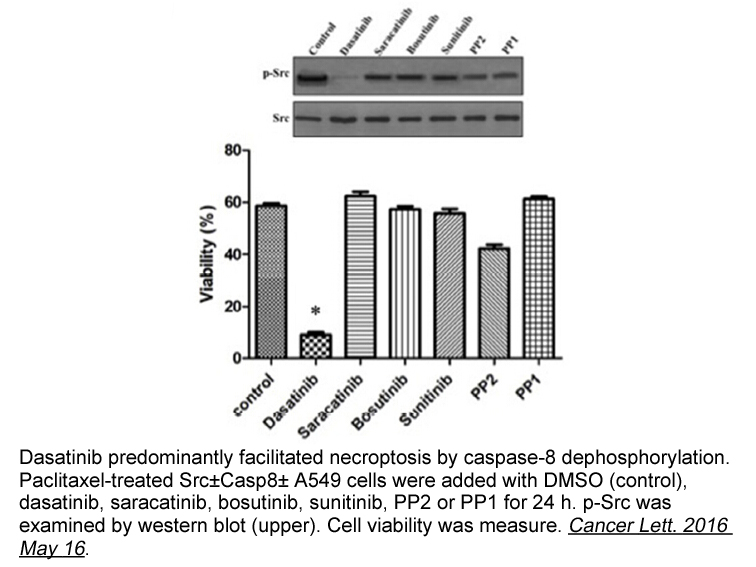
The results show that a tonic action of ACh on respiration is lacking. However, it is clear that muscarinic cholinergic mechanisms can modulate both eupneic breathing and the cough reflex. When these mechanisms are brought into action is obscure and only tentative proposals can be advanced. ACh in t
-
Caffeic acid dihydroxycinnamic acid is a natural compound th
2024-07-30
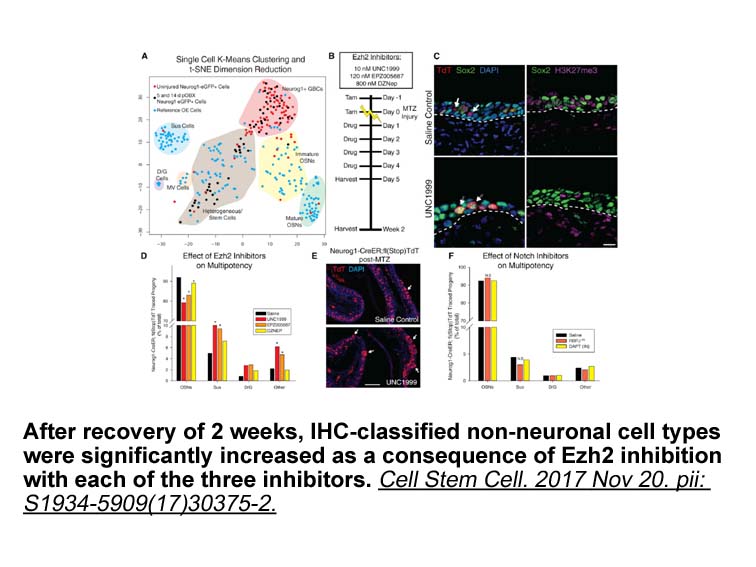
Caffeic BIIB021 (3,4-dihydroxycinnamic acid) is a natural compound that inhibits 5-LO and exerts potent anti-inflammatory and antioxidant properties. Recently, Takeda et al. reported that caffeic acid provided neuroprotective and anti-depressive activities [23]. Sertraline, a selective serotonin re
-
br Materials and methods br Results br Discussion We have
2024-07-30
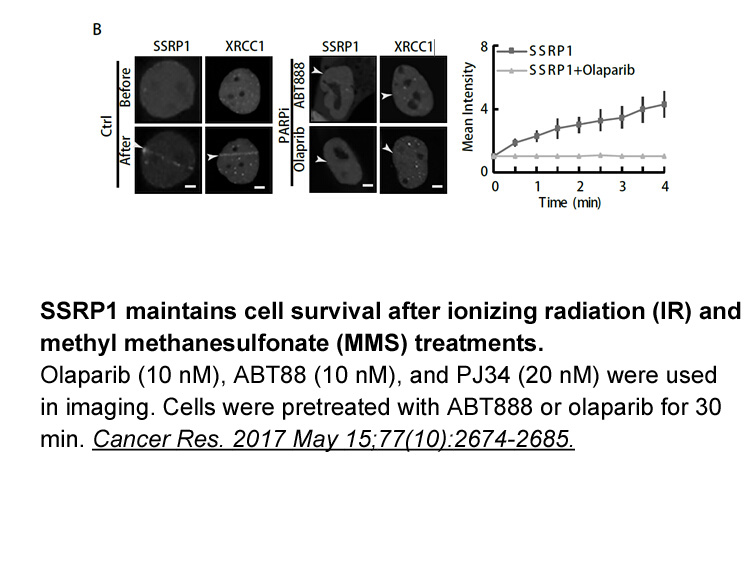
Materials and methods Results Discussion We have developed a high-throughput functional genomic screen that allows the identification of genes that confer drug resistance. Several factors have been identified which must be taken into account to develop a reliable screen. In particular, cons
-
Suspecting that ACL might regulate the expression
2024-07-30

Suspecting that ACL might regulate the expression or activity of myogenic transcription factors, Das knocked down MyoD and found that such intervention abolished the effect of ACL on fast MyHC expression and that, conversely, MyoD overexpression partially rescued reduced fast MyHC expression caused
-
Furthermore low affinity sites that share no structural
2024-07-30
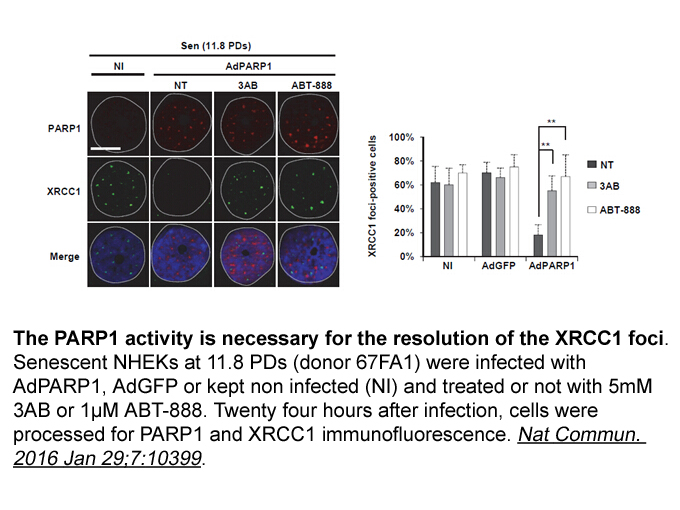
Furthermore, low-affinity sites that share no structural homology with the aforementioned sites have been described in the transmembrane domain. It has been discovered that, in α1βγ2 receptors, potentiation of GABA-activated currents by high concentrations of diazepam is biphasic, with a high- and a
-
Receptors containing an x y subunit
2024-07-30

Receptors containing an αx/γy subunit interface, where x=1, 2, 3, 5 and y=1–3, form a high-affinity binding site for benzodiazepines (Figure 1A), for the later developed Z-drugs of different chemotypes, and for a large number of chemically distinct research compounds 17, 18 (Box 1 for examples). For
-
ASK belongs to the family of MAPKKK
2024-07-30
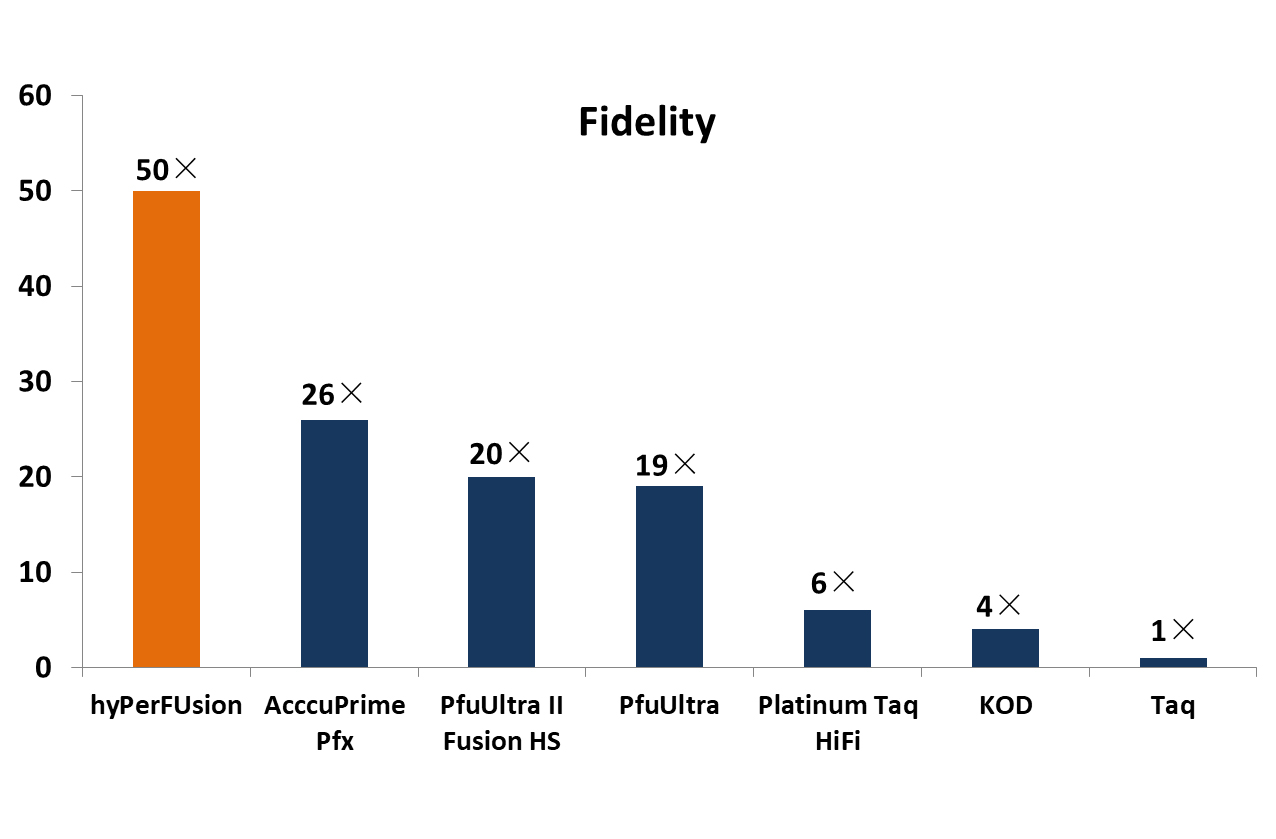
ASK1 belongs to the family of MAPKKK. ASK1-mediated apoptosis is involved in the pathogenesis of several diseases such as I/R injury, infectious diseases and neurodegenerative disorders [33], [34], [35]. ASK1 can be activated through different mechanisms. One mechanism is that oxidative stress direc
-
br Results br Discussion br
2024-07-30
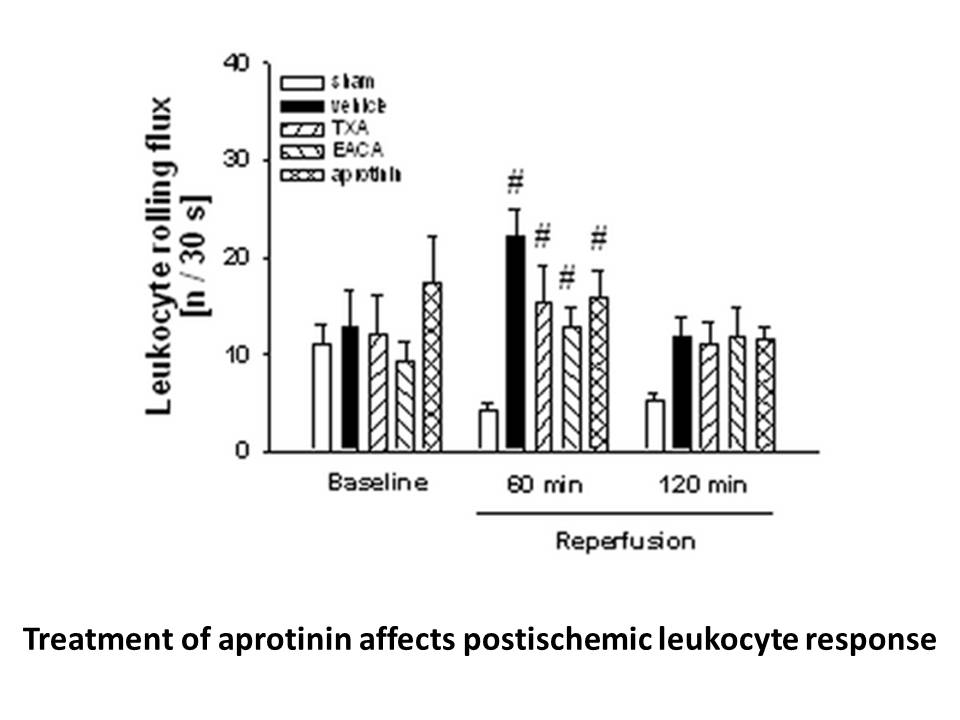
Results Discussion Conclusions In summary, this study provides novel report of pericardial adipose aromatase expression – in both human and rodent. We show that aromatase expression is remarkably upregulated with aging (Fig. 1C), and that total aromatase Oleandrin mg conversion capacity is
-
ARG I is one of the most important
2024-07-30
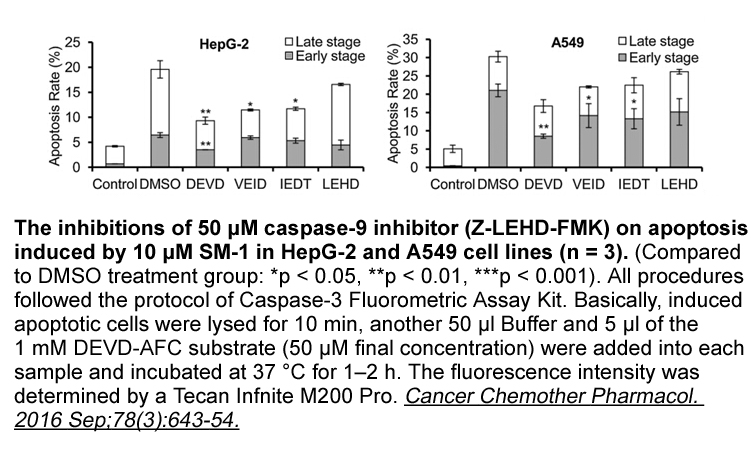
ARG I is one of the most important mammalian enzymes responsible for nitrogen metabolism since it comprises the main route for the elimination of excess nitrogen resulting from amino nucleotide triphosphate and nucleotide metabolism [18]. ARG I deficiency leads to hyperargininemia, characterized by
-
Apelin is a peptide hormone
2024-07-30
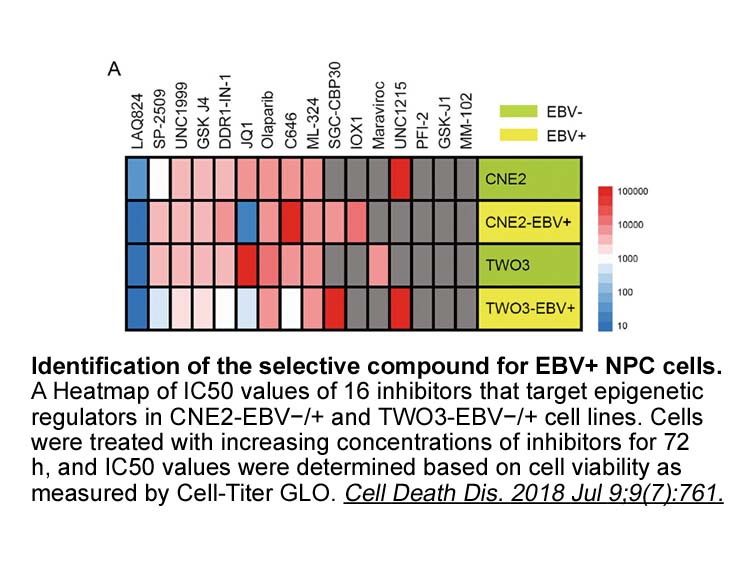
Apelin is a peptide hormone and an endogenous ligand for a G protein-coupled receptor named APJ [7], [8], and apelin and APJ are widely expressed in human organs including hypothalamus, heart, lungs, kidneys, adipose tissue, muscles, and others [9]. Apelin is initially synthesized as a 77-amino-acid
15558 records 132/1038 page Previous Next First page 上5页 131132133134135 下5页 Last page